


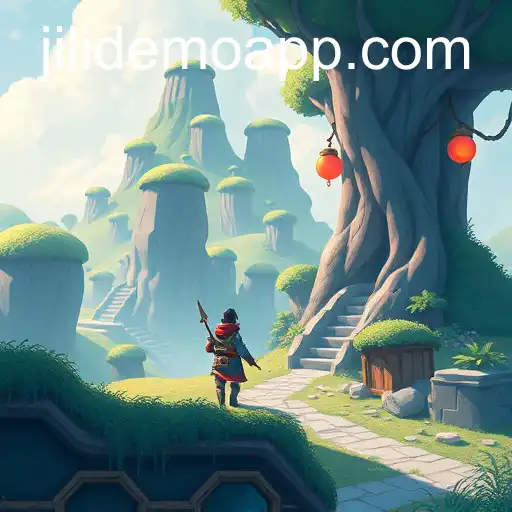
An in-depth analysis of how gaming demos, such as the popular Jili demo, are shaping the future of user engagement and game development strategies.
In today's rapidly evolving gaming landscape, demo versions have become increasingly significant in determining a game's success. One of the notable entries in this trend is the Jili demo, which has garnered attention for its intuitive design and engaging content, making it an essential tool for developers and players alike.
As we move further into 2025, the gaming industry continues to see dramatic shifts that emphasize player engagement and community feedback. Demos offer a unique opportunity for players to experience a game before its full release, thereby influencing purchasing decisions and generating early feedback that can be crucial for developers.
The rise of digital distribution platforms has facilitated the accessibility of demos like Jili, providing players with a sneak peek into gameplay mechanics, storyline, and graphics. This approach not only builds anticipation but also serves as a feedback loop for developers to refine their games, based on real user experiences.
Moreover, the advent of extensive social media networks has amplified the reach of game demos. As players share their experiences online, demos become instrumental in shaping the public's perception and generating organic marketing buzz. This dynamic is particularly evident in the case of the Jili demo, which integrated effortlessly into community discussions, further solidifying its place in the gaming ecosystem.
Interestingly, the data-driven nature of today's market means that analytics derived from demo playthroughs inform developers of potential gameplay issues and highlight popular features. Developers are thus better equipped to release polished and engaging games, boosting brand loyalty and increasing long-term engagement.
In conclusion, game demos like Jili remain a pivotal component in modern gaming strategies, influencing everything from marketing and user engagement to game development processes. As the industry grows, their role is set to expand, offering exciting opportunities for both developers and gamers.

